
Root canal treatment
Treatment to remove infected pulp and save a tooth from extraction.

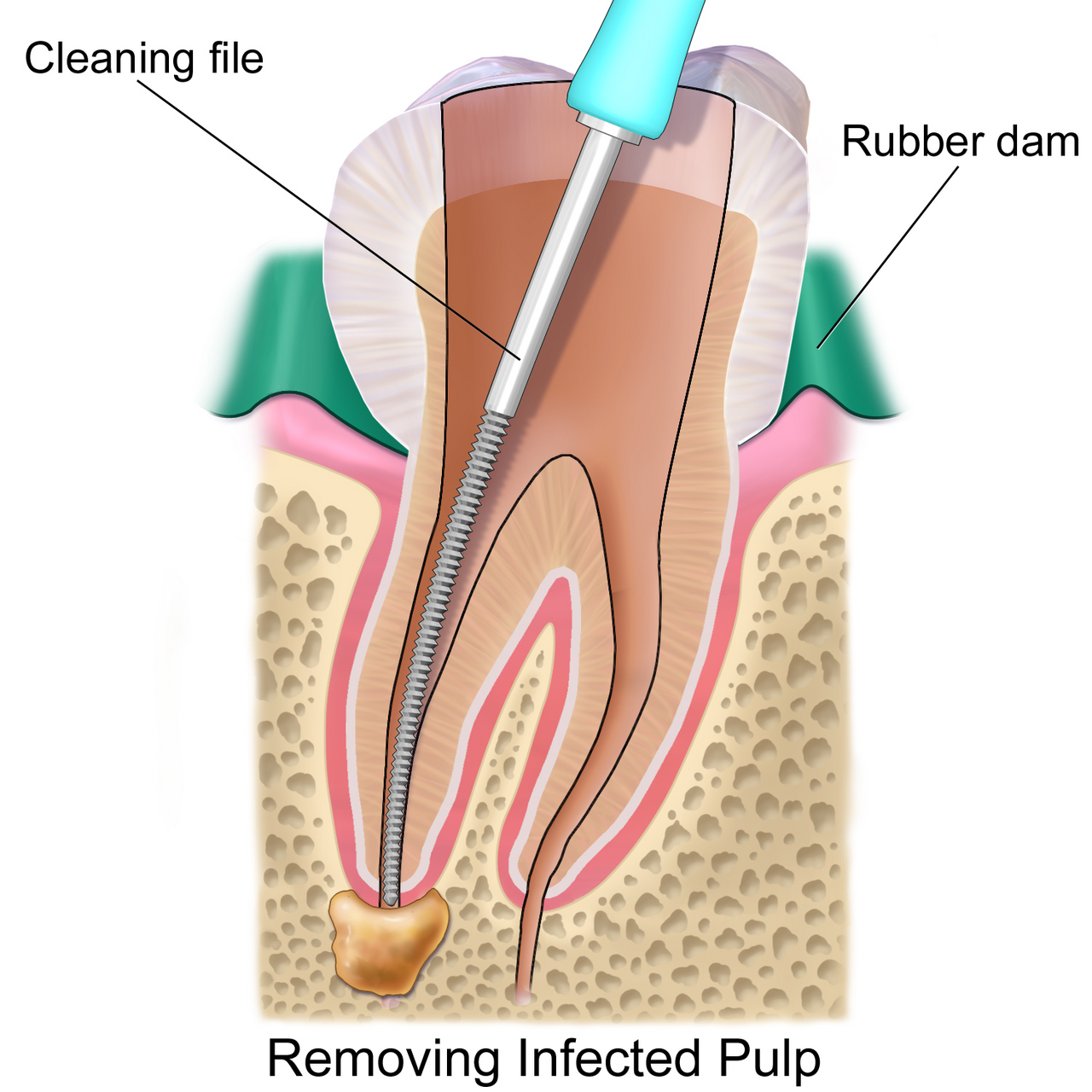
BruceBlaus . When using this image in external sources it can be cited as: Blaus · CC BY 3.0
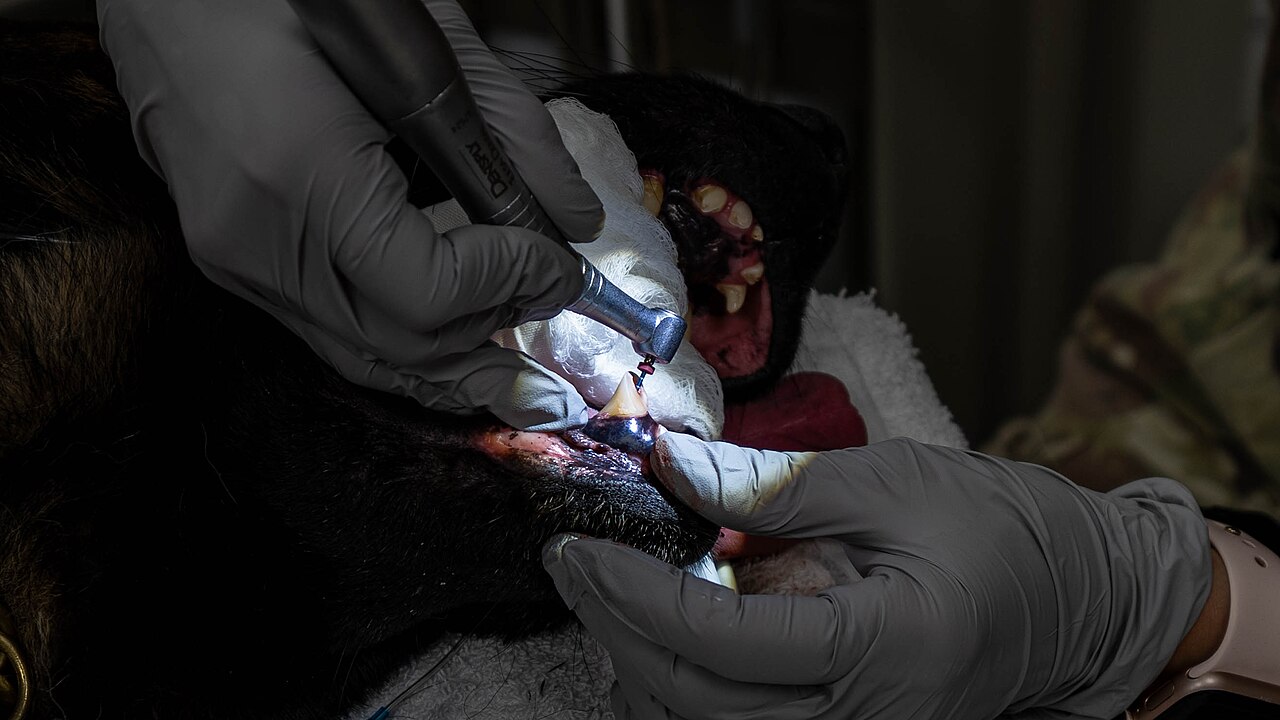
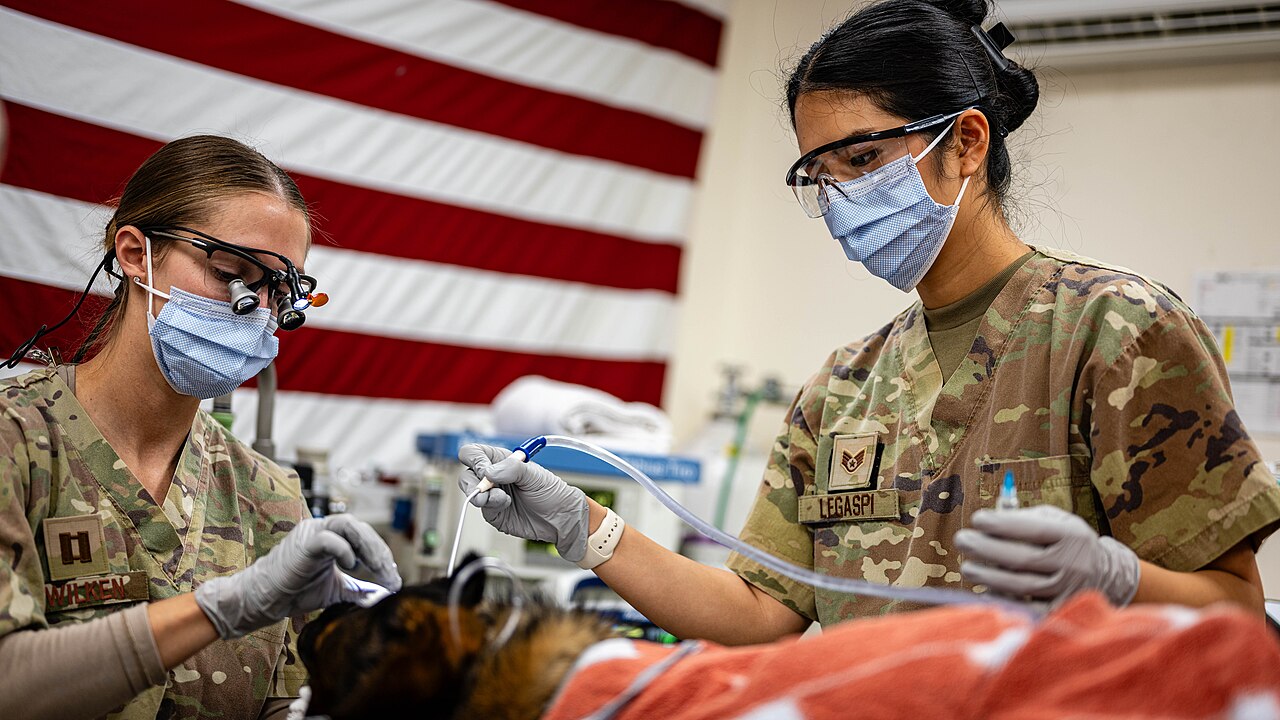
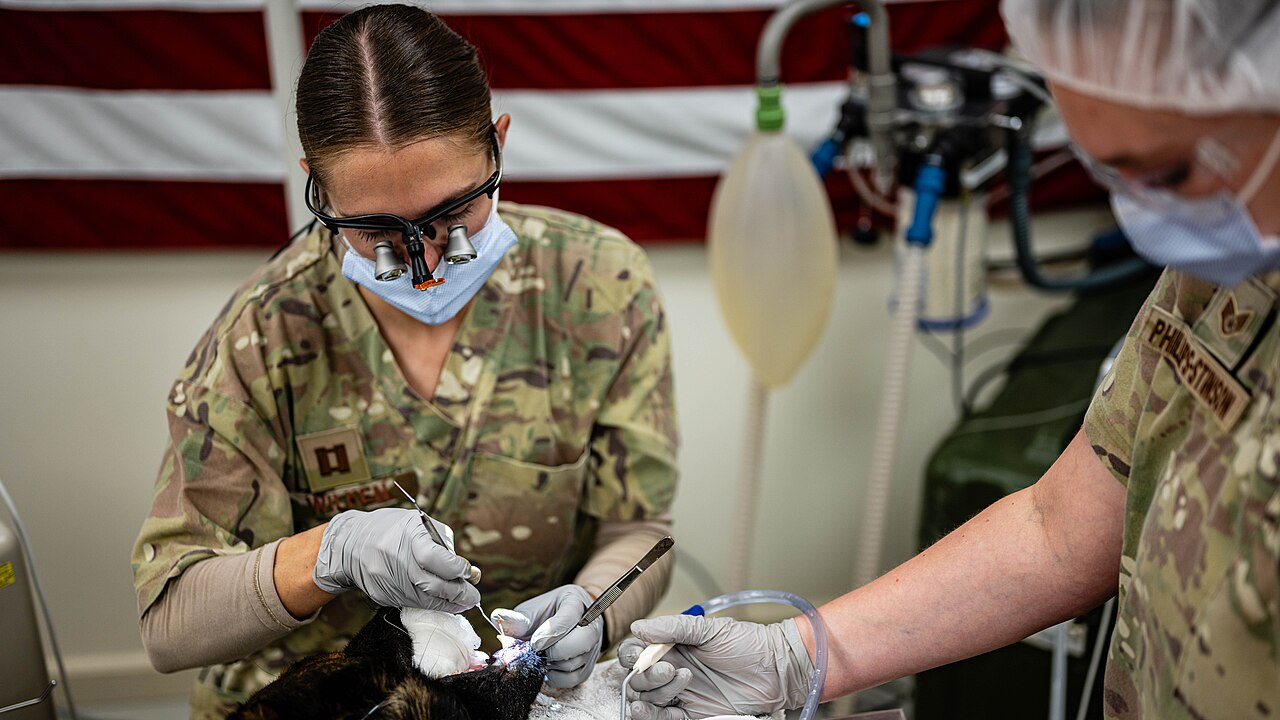
Root canal treatment, also known as endodontic therapy, is a medical procedure for treating the infected pulp of a tooth. It aims to eliminate infection and protect the decontaminated tooth from future microbial invasion, typically performed when a cavity is too large for a normal filling.
- field
- Dentistry
- known_for
- Treatment of infected dental pulp through removal, disinfection, and filling of root canals
- procedure_type
- Endodontic therapy
- common_filling_material
- Gutta-percha with zinc oxide eugenol-based cement
Lore & Background
Root canal treatment involves the removal of nerve tissue, blood vessels, and other cellular entities from the tooth's pulp chamber and root canals. The hollows are then shaped, cleaned, and decontaminated using small files and irrigating solutions, followed by filling with an inert material such as gutta-percha. The procedure is often complicated and may require multiple visits over weeks.
Reader's Guide
Root canal treatment is significant as a means to preserve teeth that would otherwise require extraction due to infection or irreversible pulpitis. Engine-driven instrumentation systems like ProFile and ProTaper were introduced from the early 1990s. The use of a rubber dam is mandatory to maintain an aseptic field and protect the patient. Irrigation with antiseptics such as sodium hypochlorite is critical for eliminating bacteria. The legacy of root canal treatment lies in its ability to salvage compromised teeth, though the Sargenti method using paraformaldehyde-based fillings has been discredited.
Did You Know?
- Root canal treatment is also known as endodontic therapy, endodontic treatment, or root canal therapy.
- The step back technique, also called telescopic or serial root canal preparation, was developed to shape the canal in two phases.
- The Sargenti method, which used an antiseptic filling material containing paraformaldehyde like N2, has been discredited.
Purpose and Anatomical Foundation
Root canal treatment, more formally called endodontic therapy, exists to rescue a tooth whose inner pulp has become infected, forming what is essentially an abscess. The goal is twofold: eradicate the existing microbial invasion and then seal the tooth so that new organisms cannot re-enter. This intervention typically becomes necessary when a cavity has grown too large for a conventional filling to suffice. To understand why the procedure is so involved, one must appreciate the anatomy at work. Each tooth contains natural hollows—the root canals and the pulp chamber above them—that house living nerve tissue, blood vessels, and other cellular structures. When these tissues become irreversibly inflamed or infected, the endodontist must remove them entirely, disinfect the space, and then refill it with inert materials. The entire sequence is designed to preserve the tooth's structure and function while eliminating the source of pain and disease.
Diagnosis and Treatment Planning
Before any drilling begins, the endodontist must arrive at a precise diagnosis of both the pulp and the surrounding periapical tissues. This step is critical because it determines whether the tooth can be saved at all, and which specific approach will give it the best long-term prognosis. The workup includes a full medical and dental history, a thorough intraoral and extraoral clinical examination, and a battery of diagnostic tests. Palpation checks for swelling or tenderness at the root tip. Mobility assessment reveals whether the tooth moves abnormally in its socket. Percussion—gently tapping the tooth—identifies tenderness. Transillumination involves shining light through the tooth to spot fractures. A test called Tooth Slooth asks the patient to bite on a plastic instrument, helping localize pain on biting. Radiographs and dedicated dental pulp tests round out the picture. If the pulp is irreversibly inflamed, the clinician must choose between extraction and pulp removal. For teeth with an open apical foramen, a partial pulp amputation called pulpotomy is preferred to preserve remaining healthy tissue.
Technique Evolution and Mechanical Preparation
The mechanical shaping of root canals has undergone decades of refinement. In 1961, Ingle introduced what became known as the standardized technique, but it carried risks including loss of working length, inadvertent ledging, zipping, and perforation. Since then, a remarkable catalog of alternative techniques has emerged: step-back or telescopic preparation, circumferential filing, incremental methods, anticurvature filing, step-down, double flare, crown-down-pressureless, balanced force, canal master, apical box, progressive enlargement, modified double flare, passive step-back, alternated rotary motions, and apical patency techniques. The step-back method works in two phases—first establishing working length and delicately shaping the apical portion with a size 25 K-file, then preparing the remainder of the canal with manual or rotating instruments. The crown-down approach reverses this logic, beginning preparation from the coronal end after confirming full canal patency with a master apical file. A hybrid combining both strategies is also common: the coronal third is opened with hand files or Gates Glidden drills, working length is confirmed, and the apical segment is then shaped using step-back principles. Soft tissue is removed with either engine-driven rotary files or long needle-shaped hand files.
Sealing, Materials, and Broader Scope
Once the canals are clean and shaped, they must be sealed to prevent reinfection. The standard obturation material is gutta-percha, a biologically inert substance, typically paired with a zinc oxide eugenol-based cement to lock it in place. In some procedures, an epoxy resin is used to bind the gutta-percha cones more securely. The field has not been without controversy: the now-discredited Sargenti method once employed an antiseptic filling containing paraformaldehyde, a product known as N2, but this approach has been abandoned. Beyond a single tooth's treatment, endodontics encompasses a broader spectrum of care. It includes primary endodontic treatment, the initial root canal; secondary endodontic treatment, re-treatment of a previously filled canal; and periradicular surgery, generally reserved for teeth that still hold potential for salvage despite failed conservative approaches. The rubber dam, used throughout all of these procedures, is not optional—it creates an aseptic field, prevents salivary contamination that would introduce new microorganisms, allows safe use of strong disinfectants, and shields the patient from accidentally inhaling or swallowing small instruments.
Gallery
Frequently Asked Questions
Who is Root canal treatment?
Root canal treatment, also called endodontic therapy, is a dental procedure designed to rescue a tooth whose inner pulp has become infected. It steps in when a cavity has grown too large for a standard filling to handle the damage.
What are Root canal treatment's powers/role?
Its core role is to strip out the compromised pulp, thoroughly disinfect the interior canals, and then seal the space to block any future microbial invasion. In short, it eliminates the infection while keeping the natural tooth intact.
How does Root canal treatment's story end?
The procedure wraps up by packing the cleaned root canals with gutta-percha and a zinc oxide eugenol-based cement, creating a durable internal seal. The tooth is then typically capped with a crown, leaving it fully functional and protected from reinfection.
Why is Root canal treatment important?
It offers patients a way to preserve their natural tooth rather than resorting to extraction when the pulp is beyond saving with a simple filling. By addressing the infection at its source, it prevents the spread of bacteria and maintains the integrity of the surrounding jawbone.
What field does Root canal treatment belong to?
It falls squarely within the specialty of Dentistry, specifically the sub-discipline of endodontics. The procedure is recognized for its methodical approach of removal, disinfection, and filling of the root canal system.
More in Medical Procedures And Treatments 1-23
Spotted an error? Know more?
This is a living reference — every entry is fact-audited, and reader corrections feed straight into our audit queue. Suggest an edit · See this site's audit record