
Physical therapy
A healthcare profession restoring movement and function through physical interventions.

MohamedFo'sh · CC0
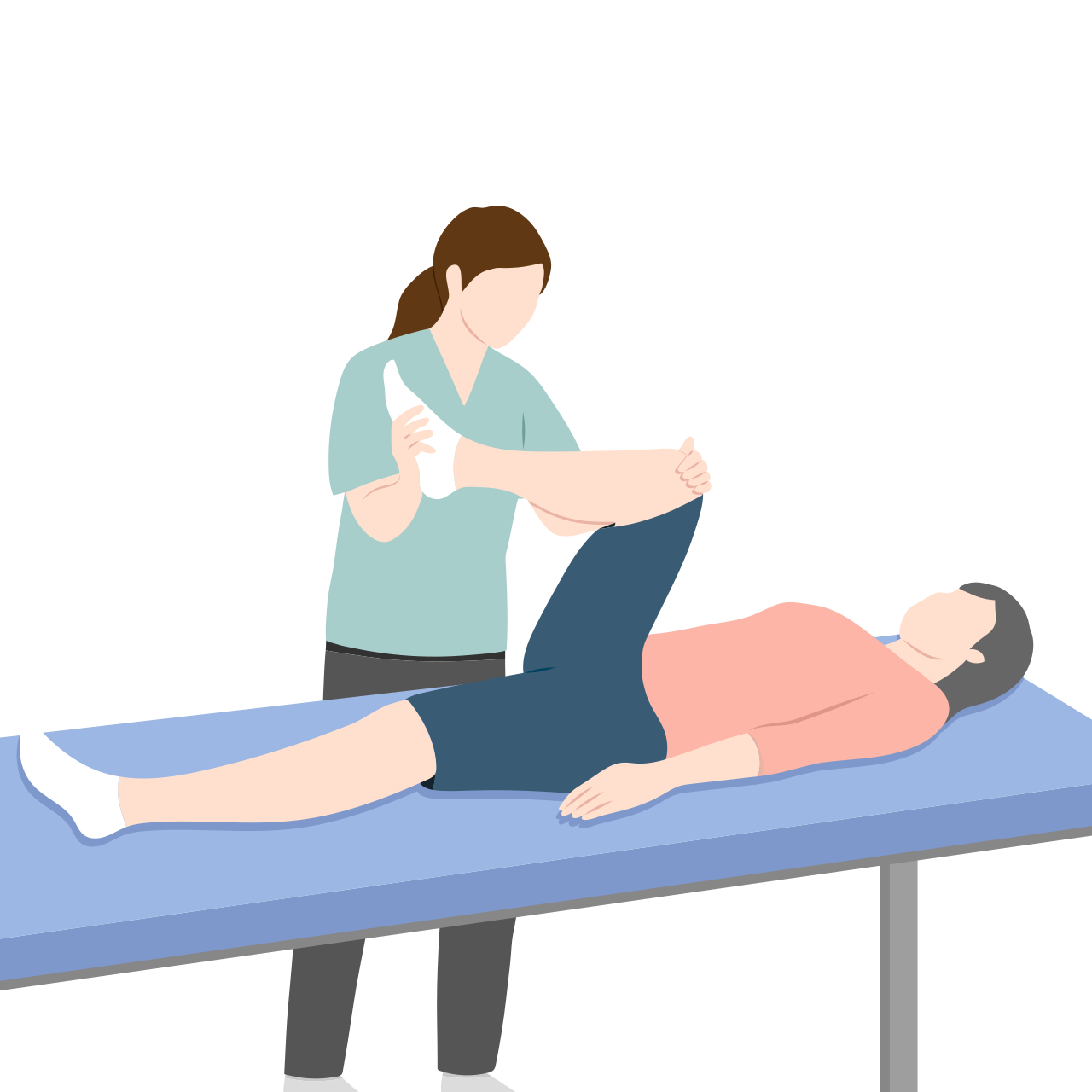
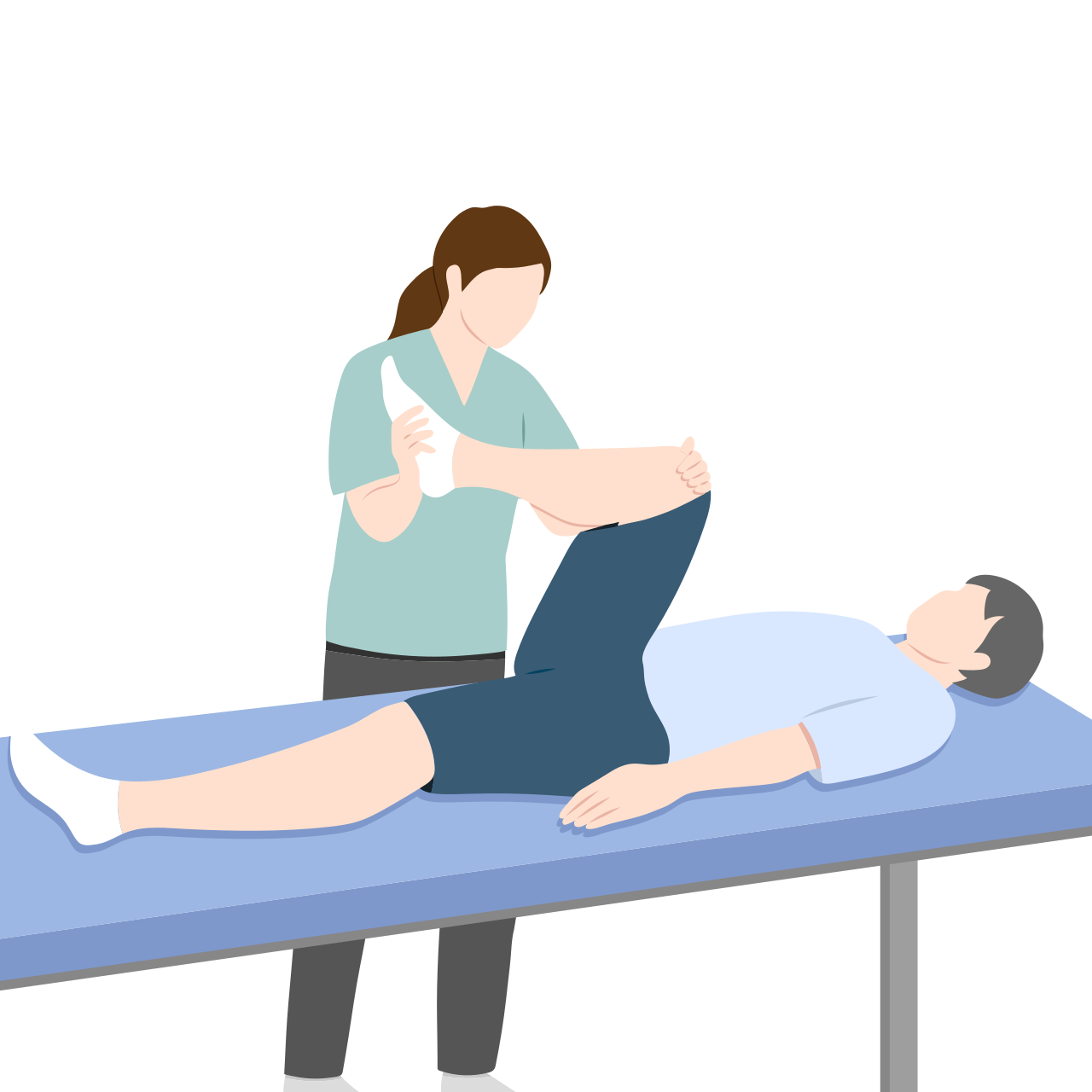
Physical therapy (PT), also known as physiotherapy, is a healthcare profession focused on promoting, maintaining, or restoring health through patient education, physical interventions, disease prevention, and health promotion. The profession has many specialties including musculoskeletal, orthopedics, cardiopulmonary, neurology, endocrinology, sports medicine, geriatrics, pediatrics, women's health, wound care, and electromyography. Physical therapists practice in many settings, both public and private, and in addition to clinical practice, their work includes research, education, consultation, and health administration.
- field
- Healthcare profession
- known_for
- Promoting, maintaining, or restoring health through physical interventions and patient education
Lore & Background
In the 18th century, French physician Nicolas Andry de Bois-Regard linked musculoskeletal health to physical exercise and introduced the term 'orthopaedics.'
Reader's Guide
Physical therapy addresses illnesses or injuries that limit a person's ability to move and perform functional activities. Physical therapists use an individual's history and physical examination to arrive at a diagnosis and establish a management plan, incorporating laboratory and imaging studies when necessary. Management commonly includes prescription of specific exercises, manual therapy, bodily manipulation, mechanical devices, education, electrophysical modalities, assistive devices, prostheses, and orthoses. The profession also works to prevent loss of mobility through fitness and wellness programs. Education varies greatly by country, ranging from little formal education to doctoral degrees and post-doctoral residencies. Physical therapy is typically one of the allied health professions, and World Physiotherapy has signed a memorandum of understanding with other members of the World Health Professions Alliance to enhance collaboration on protecting and investing in the health workforce.
Did You Know?
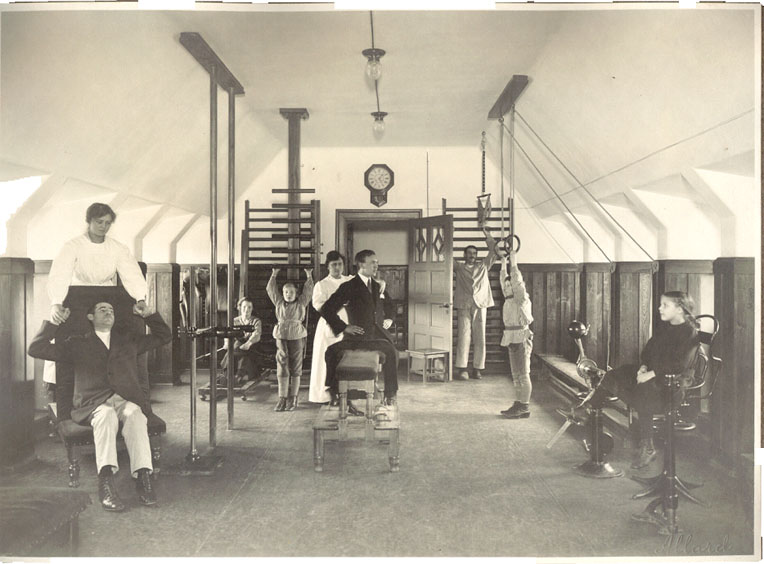
- During the First World War, women were recruited to work with injured soldiers, and the field of physical therapy was institutionalized.
- In some jurisdictions, such as the United Kingdom, physical therapists may have the authority to prescribe medication.
From Accidental Coma to Global Practice
In 1927, a freshly minted physician named Manfred Sakel was working in a Berlin psychiatric clinic when a patient under low-dose insulin slipped into an unintended coma and, upon waking, displayed noticeably clearer thinking. That single observation became the seed of a far more aggressive intervention: Sakel returned to Vienna and began deliberately pushing insulin doses high enough to force patients into repeated comas, sometimes accompanied by convulsions, targeting those with schizophrenia. He published his findings in 1933, and the method quickly attracted attention. Joseph Wortis witnessed a demonstration in 1935 and carried the technique into American practice, while British officials from the Board of Control made inspection trips to Vienna that same year and the next. The uptake in the United Kingdom was rapid; by 1938, thirty-one hospitals across England and Wales had dedicated insulin treatment units. Sakel himself relocated to New York in 1936 to champion the approach, and by the late 1940s the majority of American psychiatric hospitals had adopted the regimen as a standard part of their therapeutic repertoire.
A Week of Comas: The Clinical Routine
The regimen was physically demanding, requiring a dedicated unit and trained personnel. Candidates were almost always diagnosed with schizophrenia and had to show sufficient physical resilience. Because no universal protocol existed, each institution crafted its own schedule, but the typical course ran six days per week for roughly two months. Insulin doses were titrated upward until comas appeared, usually settling between one hundred and one hundred fifty units, though some pushed as high as four hundred fifty. After fifty or sixty induced comas, or sooner if the psychiatrist judged the benefit had peaked, the dose was tapered off. Between injections, patients endured signs of plummeting blood sugar—flushing, pallor, perspiration, salivation, and either drowsiness or agitation. When the coma set in, lasting up to an hour, it was broken with intravenous glucose or a naso-gastric tube. Seizures frequently accompanied the episode, and patients often thrashed, moaned, and spasmed. On non-insulin days, some units layered in electroconvulsive or metrazol convulsive therapy. Outside the treatment window, patients were kept in a supervised group, taken for walks, and engaged in activities like games and map-reading, while nurses stayed vigilant for dangerous hypoglycemic aftershocks.
Promised Cures and Real Dangers
Sakel and a small circle of supporters touted success rates above eighty percent for schizophrenia, while skeptics countered that the therapy merely hastened a remission that would have occurred naturally. The prevailing consensus landed in the middle: roughly a fifty percent improvement rate among patients ill for less than a year—about double the spontaneous remission figure—with no measurable effect on relapse. Sakel proposed the treatment worked by intensifying parasympathetic autonomic tone and strengthening anabolic forces that restored normal neural function. The broader shock-therapy movement rested on the flawed assumption that epilepsy and schizophrenia almost never co-occurred, a premise supported by neuropathological findings on glial cell distribution. That reasoning had led Hungarian neuropsychiatrist Ladislas Meduna to induce seizures with camphor, later replaced by metrazol. Others simply believed patients were 'jolted' out of their illness. Hypoglycemia left patients restless, drenched in sweat, and prone to further convulsions. After a full course, patients invariably emerged grossly obese, likely from glucose-rescue-induced glycogen storage. The gravest risks were death and brain damage from prolonged or irreversible coma, with mortality estimates ranging from one to nearly five percent.
Fading from Practice, Lingering in Memory
During the 1940s and 1950s, insulin coma therapy was a mainstay in most psychiatric hospitals across the United States and the United Kingdom. It belonged to a wider family of physical interventions introduced into psychiatry during the first four decades of the twentieth century, alongside convulsive therapies such as metrazol and electroconvulsive treatment, deep sleep therapy, and psychosurgery. Insulin coma therapy and the convulsive methods were collectively grouped under the label 'shock therapies.' The practice gradually fell out of favor as neuroleptic drugs emerged in the 1960s, offering a less physically punishing alternative for managing schizophrenia. Yet the human cost of those earlier decades did not simply vanish. Patients who endured the full gauntlet of comas, seizures, and glucose rescues often carried lasting physical and cognitive scars. The singer-songwriter Townes Van Zandt, for instance, was reported to have lost much of his long-term memory following insulin coma treatment for bipolar disorder, a loss that preceded a life of substance abuse and depression. For survivors, the obesity, the aftershocks, and the memory gaps became a quiet reckoning with a medical era that had traded their bodies for a chance at clarity.
Gallery

Frequently Asked Questions
Who is Physical therapy?
Physical therapy, often called physiotherapy, is a healthcare profession dedicated to helping people regain, preserve, or improve their overall well-being. It works through hands-on physical interventions, guided patient education, and proactive disease-prevention strategies rather than medication or surgery.
What are Physical therapy's powers/role?
Its core ability is restoring movement and function by designing targeted exercise programs, manual techniques, and therapeutic modalities tailored to each patient. Beyond direct treatment, it also branches into research, academic teaching, and clinical consultation to broaden the profession's impact.
What specialties does Physical therapy command?
The field spans a wide roster of sub-disciplines, including musculoskeletal and orthopedic care, cardiopulmonary rehabilitation, neurology, sports medicine, geriatrics, pediatrics, women's health, wound care, endocrinology, and electromyography. This breadth lets a single profession address nearly every body system.
Where does Physical therapy operate?
Practitioners work across both public and private settings, from hospital wards and outpatient clinics to home-health visits and sports-performance centers. This flexibility ensures patients can receive care in whichever environment best suits their recovery needs.
Why is Physical therapy important to the broader healthcare story?
It fills the gap between acute medical treatment and long-term independence, helping patients rebuild strength, mobility, and confidence after injury or illness. By emphasizing prevention and education, it also reduces the likelihood of future episodes, lowering the overall burden on the healthcare system.
More in Medical Procedures And Treatments 1-23
Spotted an error? Know more?
This is a living reference — every entry is fact-audited, and reader corrections feed straight into our audit queue. Suggest an edit · See this site's audit record